Your paid search campaigns are running smoothly. Budgets are optimized. But CPCs are soaring, and incremental reach seems thinner than it was a couple of years ago. The audiences that used to be easy to find are taking more work.
Here’s a clue: 1 in 3 US adults now use AI search summaries for at least half their searches (YouGov, via EMARKETER). They’re still researching and comparing – just not always where your placements show up (which, quite possibly, is only on the SERP.)
Even though search has fragmented, most paid strategies haven’t accounted for this. There’s a clear gap between where intent is forming and resolving.
Here are 5 things you can do to fill this gap.
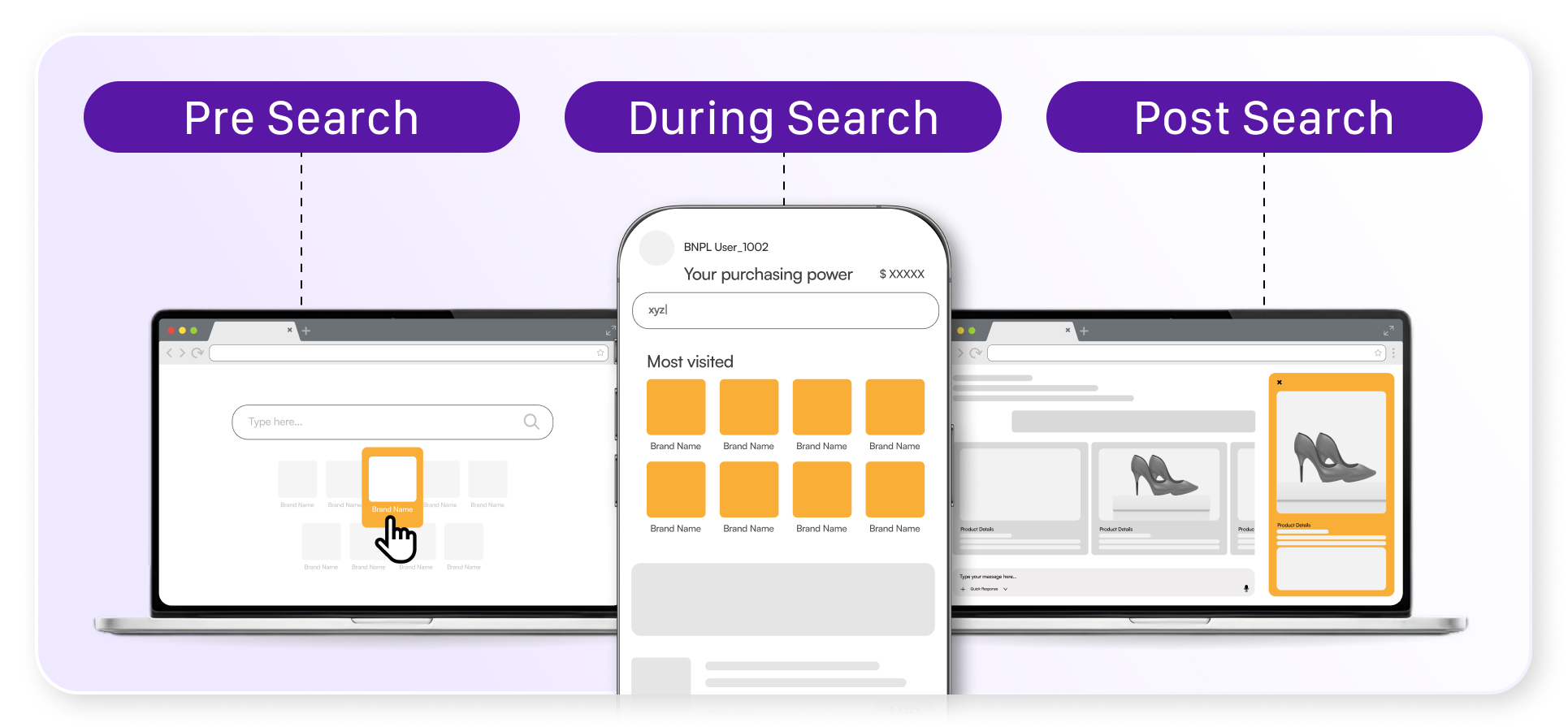
1. Start optimizing for a three–phase search journey, not one.
The era of SERP-only search is now ancient. Today’s search journeys move across three phases: pre-search, during-search, and post-search. This takes place across the entire AI-mediated, alternate search ecosystem.
In pre-search, your audience is forming preferences before any search bar is involved.
During search – which is phase two – the query is explicit. They’ve identified a need and are actively looking.
Post-search is where they either convert or don’t – through retargeting, content websites, and increasingly, agentic browsers.
Chances are that your paid search strategy lives almost entirely in phase two.
Go through your active campaigns and mark which phase each one covers. Focus on building a holistic paid search strategy that covers each phase of the user’s journey to unlock maximum impact.
2. Stop treating discovery placements as vanity.
While we’re still on the subject of phases – let’s talk about the one that most strategies skip entirely: the search before the search.
VML’s Future Shopper 2025 report – surveying 25,000 shoppers across 16 countries – found that 37% of global shoppers begin their product discovery via leading marketplaces, all the way through to purchase. Inspiration and information-gathering also happen largely on feeds, video platforms, browsers, etc.
Which means, by the time a user types something into a search bar, they often already have a brand in mind and frequently a shortlist.
Show up in the discovery phase. Then follow it up with the query phase.
Because somewhere, right now, your competitor’s ad is shaping what your audience thinks they want, and they haven’t even searched for anything yet.
3. Activate on the search surfaces your audience already uses.
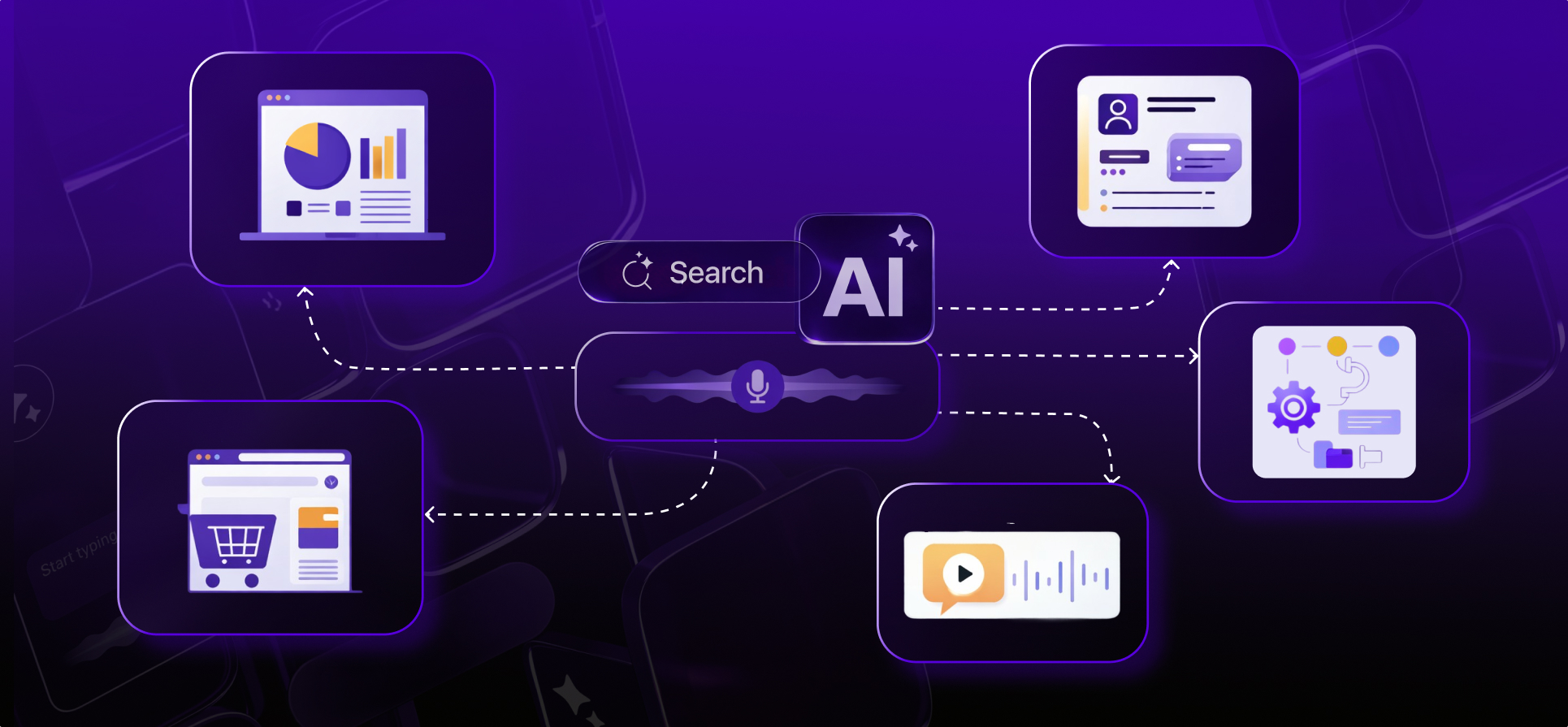
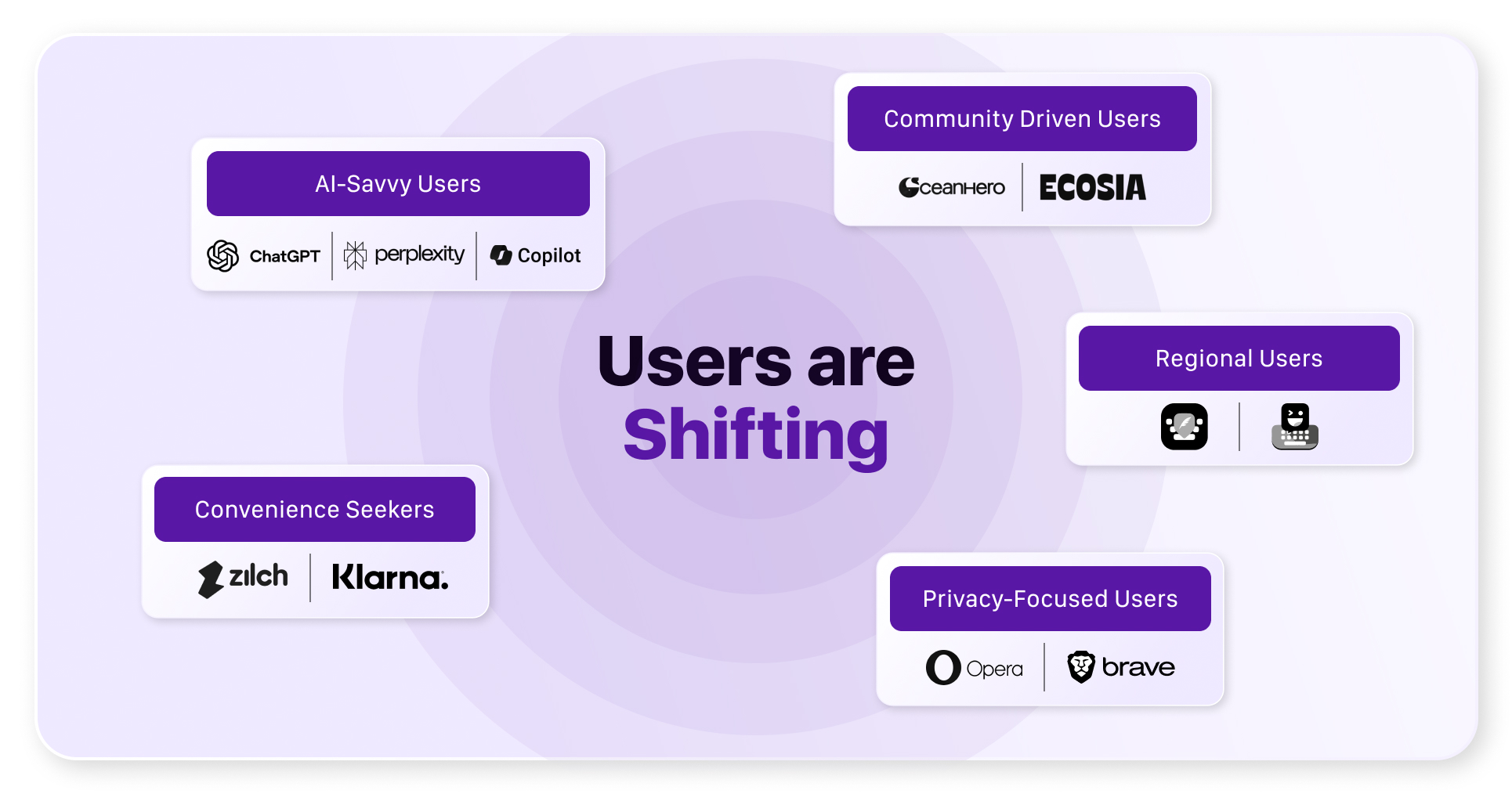
Knowing where intent forms is one thing. Buying media there is another. AI-mediated, alternate search surfaces such as niche browsers, BNPL apps, keyboard apps, chat interfaces, etc. are where your brand needs to be.
Why? Because the scale of these surfaces is not small. For instance, 91.5 million Americans used BNPL apps in 2025, up 5.78% year-over-year. In addition, purchase volume on BNPL apps in the US reached $122.3 billion in 2025 (Capital One Shopping Research).
Another example is that of privacy browsers. Brave reached 100 million monthly active users in September 2025, growing at an average of 2.5 million new users per month over the past two years.
These aren’t nice-to-have channels. They are high-intent environments where many brands have no presence at all. (SitePlug’s latest playbook for search marketers dives deeper into this and provides actionable insights. Get it here.)
4. Track AI-referred traffic (if you aren’t already).
Only 22% of marketers are actively tracking AI traffic right now (Conductor). That means, nearly 4 in 5 marketers are making budget decisions with data that excludes the fastest-growing part of the search ecosystem.
As per Search Engine Land, ChatGPT ecommerce traffic converts 31% higher than non-branded organic search. Seer Interactive’s client data also shows that traffic arriving from ChatGPT converts at 15.9%, versus 1.76% from traditional search. These visitors arrive pre-informed, with the comparison work already done.
Start tracking AI-referred sessions as their own segment. And ease up on rankings for queries where AI summaries now dominate. Those positions don’t mean what they used to.
ChatGPT now refers more traffic than Reddit
Based on a study of ~82K sites · Source: Ahrefs Web Analytics
ChatGPT
0.0%
0.0%
ChatGPT advantage
+0%
Percentage of ~82,000 websites receiving referral traffic
5. Start paying attention to evolving AI interfaces.
AI platforms are no longer just places your audience looks for answers. They’re getting primed to become ad-supported environments with buying formats specifically designed for high-intent queries. As personalization improves across AI interfaces, more formats will emerge and mature quickly.
The market is still nascent though; ad formats aren’t fully standardized yet and advertisers have limited control over placement details. (EMARKETER)
But that’s the point. First movers into the AI search ecosystem will have a head start that latecomers will struggle to close.
If you’re thinking, “I’ll invest once the formats mature”, you run the risk of paying high CPCs to enter a market forecasted to be highly competitive. Identify which AI platforms already carry sponsored placements, note what they cost, and if your competitors are already in them. The time to act is now.
AI search will gain share of search ad budgets as consumer adoption grows
Billions in US AI search ad spending and % of total search ad spending, 2025–2029
2029 AI ad spend
$0.00B
2029 share of search ads
0.0%
Growth 2025→2029
0×
Includes advertising within generative AI platforms (ChatGPT, Gemini, Copilot, Perplexity, You.com) and AI-powered search summaries. Excludes traditional keyword-based search ads. Source: EMARKETER Forecast, May 2025
To summarize:
The search ecosystem has spread well beyond the results page. Intent forms earlier, decisions happen faster, and the surfaces where people search are multiplying.
If you want to see the full picture of where search is going and what it means for how your search marketing budgets should be allocated, SitePlug’s Shrinking SERP playbook is the place to start. It also gives you access to a 4-stage framework that you can adopt to win in the AI era. Get your copy by filling the form below.